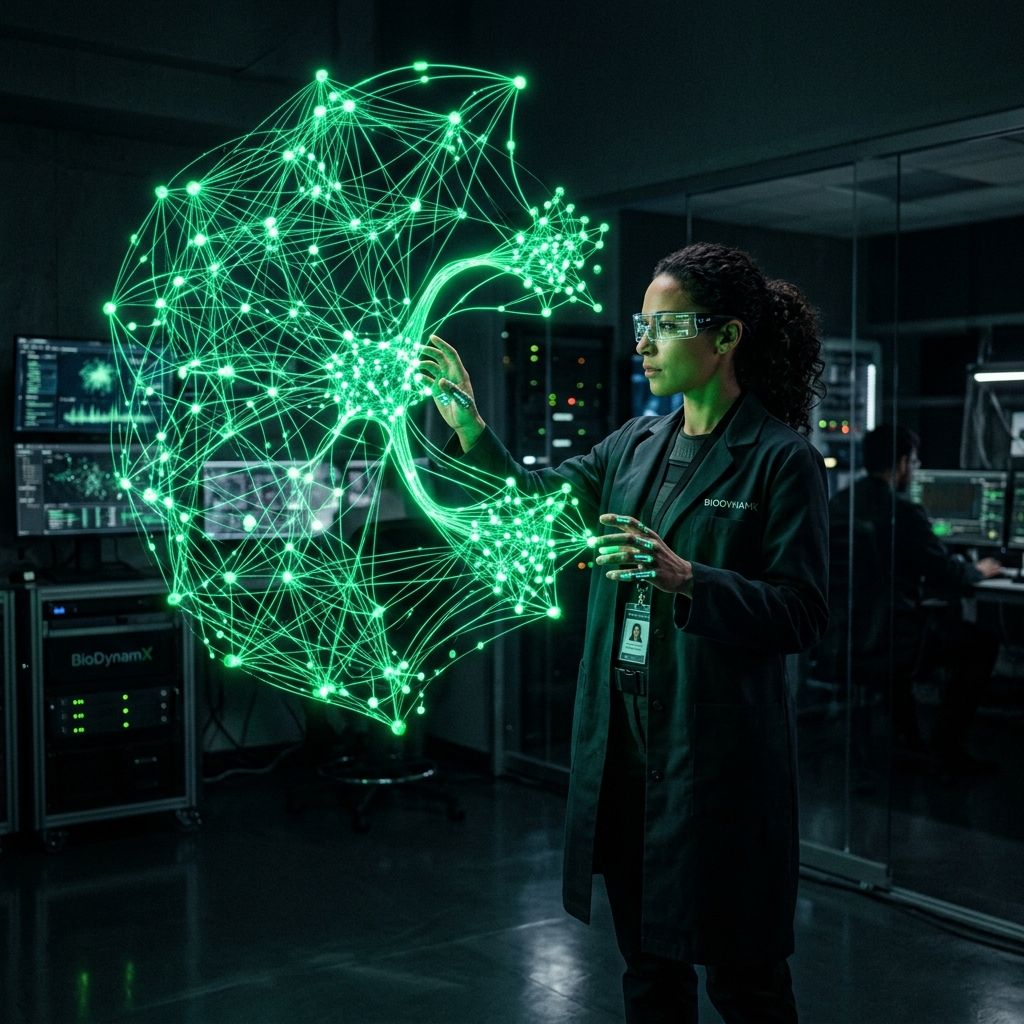
The Neuromarketing Revolution
Neuromarketing — the application of neuroscience to marketing — was once confined to university labs and Fortune 500 companies with million-dollar research budgets. In 2026, it's accessible to businesses of every size, thanks to AI platforms like BioDynamX that encode neuroscience principles directly into customer-facing systems.
Key Trends Shaping 2026
1. Dopamine-Optimized Customer Journeys
The most effective brands in 2026 engineer deliberate dopamine loops into their customer experience. Each interaction is designed to create anticipation → reward → craving cycles that keep customers engaged. BioDynamX's Elite 14 agents execute these loops automatically.
2. Real-Time Emotional Analytics
Voice AI systems now analyze vocal biomarkers — pitch variation, speech rate, pause patterns — to gauge customer emotional state in real-time. BioDynamX's AI engine uses this data to dynamically adjust conversation strategy.
3. Multi-Sensory Digital Experiences
The visual cortex processes images 60,000× faster than text. BioDynamX's Nano Banana 2 visual intelligence engine surfaces contextual imagery during live voice conversations, engaging multiple brain regions simultaneously for deeper persuasion.
4. Trust Architecture
With AI-generated content flooding every channel, trust has become the most valuable currency. Businesses that systematically build trust through neurobiological triggers — consistency, vulnerability, social proof, and oxytocin activation — will dominate their markets.
The Competitive Advantage
Companies that adopt neuromarketing aren't just getting better results — they're playing an entirely different game. While competitors A/B test button colors, neuromarketing-driven businesses are engineering hormonal cascades, activating mirror neurons, and leveraging the Zeigarnik effect to maintain prospect engagement.
The question isn't whether neuromarketing works. It's whether your competitors will adopt it before you do.


